Flow regimes and environmental flows
How altered flows affect fish and macroinvertebrates, and how much water rivers need to keep functioning.
We are a hydroecology lab at Texas State University. We combine watershed and ecological models with field and lab observations to understand how changing flow regimes shape freshwater biodiversity and ecosystem function.
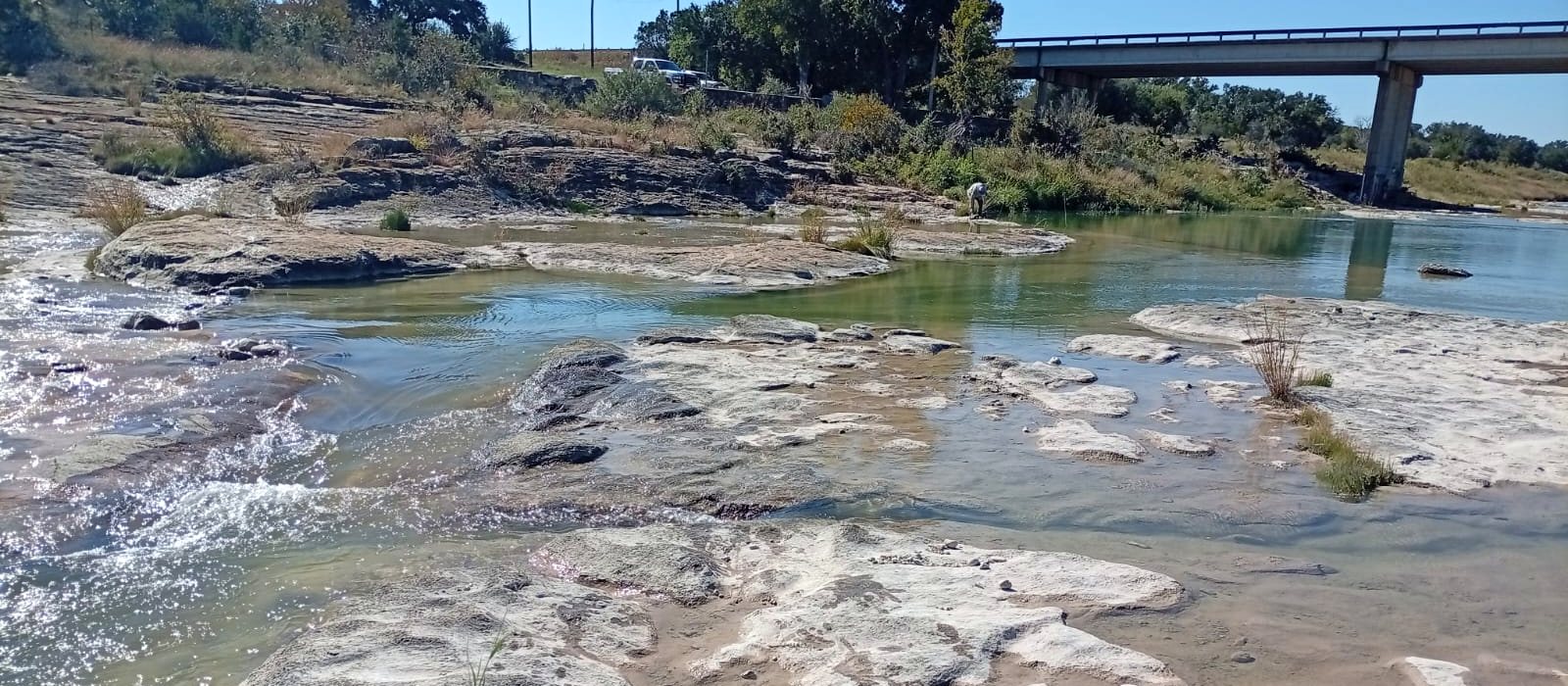
Connected questions about how water moves through river networks, the life it supports and the work rivers do.
How altered flows affect fish and macroinvertebrates, and how much water rivers need to keep functioning.
When and where streams stop flowing, and how river networks and their communities respond to drying and rewetting.
How freshwater biodiversity and stream ecosystem functions respond as flow regimes change.
SWAT+ modelling and long-term records to assess climate and land-use effects on floods, droughts and low flows.
What the lab has been up to lately.
A funded position in environmental hydrology: $37,000 per year plus benefits, with 4.5 years of support. Apply by November 30, 2026.